
Wildlife Photography: A Guide to Capturing Nature in the UK

Wildlife photography is a rewarding way to connect with nature and tell powerful visual stories. From patient observation to thoughtful composition, the best images often come from slowing down and paying attention to the world around you.

Start with patience and preparation
Wildlife rarely appears on demand. Spend time learning an animal’s habits, movement patterns, and preferred habitat. Research local parks, reserves, and woodland areas, and plan visits around the time of day when your subject is most active.

Choose the right light
Early morning and late afternoon usually provide softer, warmer light and more atmospheric images. Overcast days can also be ideal because diffused light preserves detail in feathers, fur, and textured landscapes.
Keep your distance
Respecting wildlife should always come first. Use an appropriate telephoto lens, avoid disturbing nests or feeding areas, and follow local access guidance. A calm, ethical approach leads to more natural photographs.
Build stronger compositions
Look for clean backgrounds, natural framing, and moments that reveal behaviour. Leave space in front of a moving animal, vary your viewpoint, and try both environmental portraits and close-up detail simple field checklist
Fully charged batteries and spare memory cards
A telephoto lens and stable support
Weather-appropriate clothing and equipment protection
Patience, quiet movement, and respect for the subject
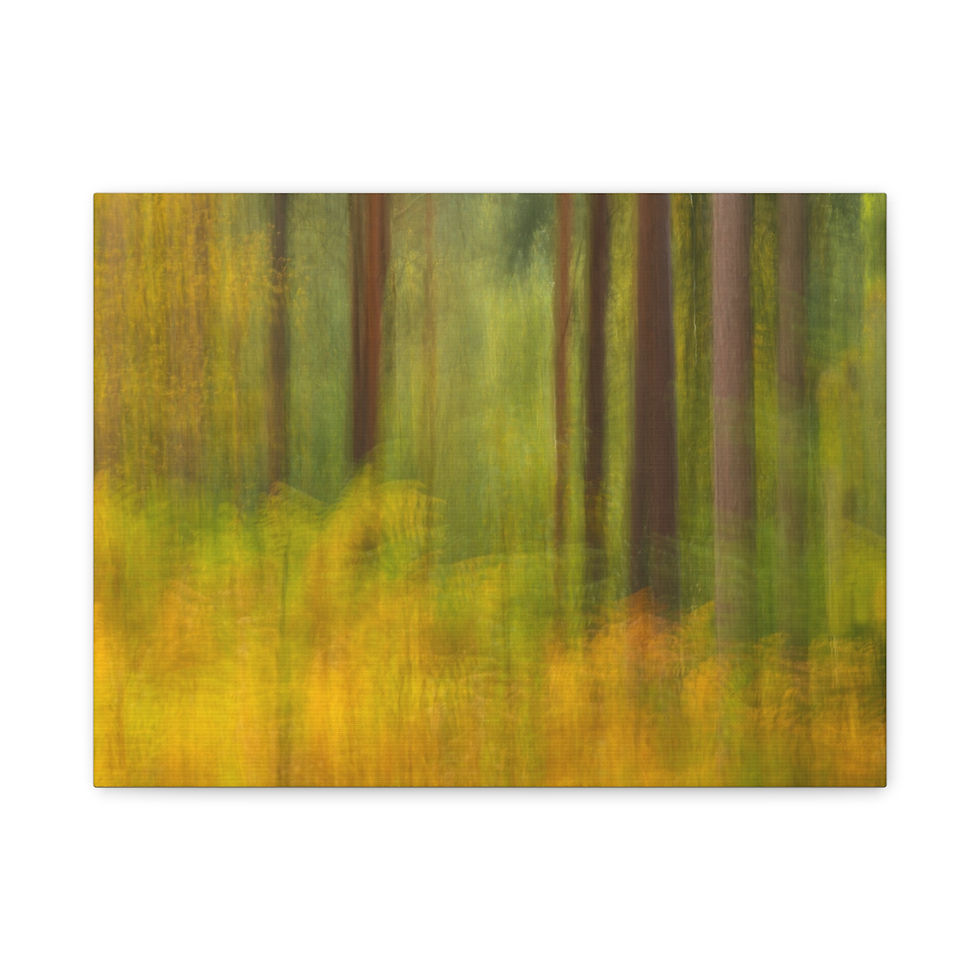
Abstract motion blur of autumnal forest
The most memorable wildlife photographs combine technical skill with curiosity and care. Keep practising, review your images honestly, and return to the places that inspire you. With time, your personal style will develop—and so will your connection with the natural world.
Wild Oxford e-book


Comments